AI GOVERNANCE ADVISORY

Your people are using AI.
Are the rules clear?

What can they upload? Which tools can they connect? Who checks the output before it reaches a customer?
DEMETER helps you put clear rules, approvals and accountability around AI—whether you are already using it or preparing to start.

For CIOs, IT leaders and teams responsible for AI adoption.
Already using AI? Planning your first rollout?

Start with the decisions your business needs to make.

WHERE EXPOSURE BEGINS

Useful shortcuts.
Unanswered questions.

AI can help people work faster. But an everyday task can involve information, permissions or decisions that need a closer look.

01 / INFORMATION

“Summarise this contract.”

An employee uploads a supplier agreement or internal report to an AI tool.
Is that tool approved for this information?

02 / ACCESS

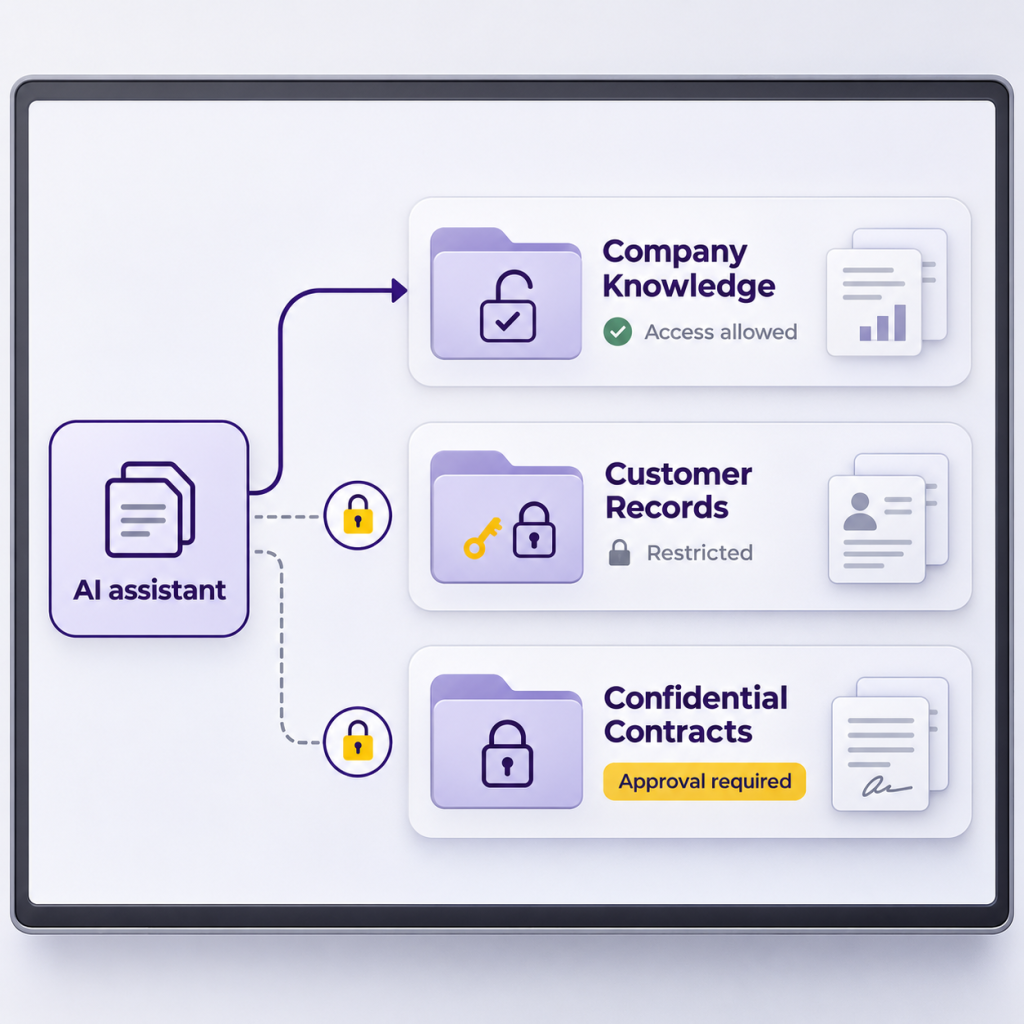
“Connect it to our files.”

A team connects an AI assistant to shared folders, internal documents or customer records.
What can it access—and who decided?

03 / ACTIONS

“Let the agent handle it.”

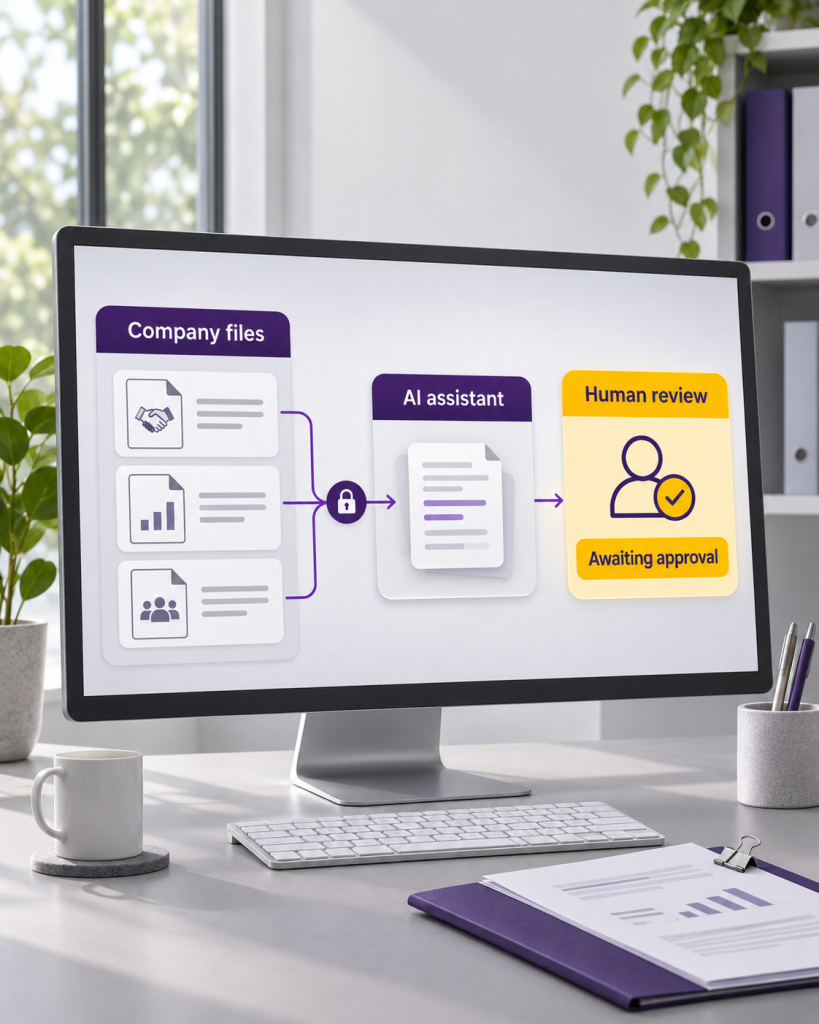
An AI agent is given permission to send messages, update records or trigger a workflow.
Which actions still need a person to approve them?

BUSINESS IMPACT

When AI gets it wrong,
the business deals with it.

Confidential information goes where it should not.

Staff share sensitive information through a tool the business has not reviewed.

A wrong answer becomes a business decision.

An inaccurate output is used in a report, recommendation or customer response without review.

An agent acts beyond its intended role.

Broad permissions let it change information or trigger actions that need tighter control.

Nobody knows who should step in.

There is no agreed owner, escalation route or decision on when to stop using it.

BEYOND THE LICENCE

You bought the AI tool.
Who sets the rules?

An enterprise licence is one part of the picture. Your business still needs to decide how the tool can be used.

Who can use it?

What data can it use?

What can it do?

Who checks its work?

Who approves changes?

Who can stop it?

HOW DEMETER HELPS

Clear rules.
A way to apply them.

We work with your IT, business and relevant risk teams to turn these questions into practical policies, decisions and records.

01

Understand where you are

Review your existing policies and discuss how AI is being used or planned. Identify gaps that matter to your agreed scope.

02

Set the rules for AI use

Develop a governance framework and draft policies covering tools, data, access, human review and accountability.

03

Define who decides

Set ownership, review and approval responsibilities—including exceptions, changes and incident escalation.

04

Build a repeatable risk review

Create assessment criteria and templates so your teams can identify risks, record controls and make informed approval decisions.

05

Work through real examples

Walk through selected AI use cases with their owners. Refine the approach and hand over examples your team can use as a reference.

What you take away

An AI governance framework · Draft policies · Roles and approval process · Risk assessment toolkit · Completed case examples · Implementation roadmap

The final deliverables and number of cases are agreed in your scope of work.

VALUE FOR THE BUSINESS

Less guesswork.
Clearer decisions.

Give teams a practical way to move forward with AI—and make the responsibility clear.

IT should not have to start from scratch every time a team asks to use AI.

Employees

Know which tools and information they can use, and when to ask for approval.

IT teams

Have consistent questions and review criteria for new AI requests.

Business owners

Understand the controls and human checks their use cases need.

Management

See the risks, responsible owners and decisions that need their attention.

Risk & audit

Have a defined process and records to review as the organization puts governance into practice.

OUR APPROACH

Start with your business.
Apply it to real work.

We combine document review, focused discussions and workshops with the people responsible for your AI use cases.

STEP 01

Understand

Agree the scope, review existing documents and hear from relevant teams.

STEP 02

Design

Draft the framework, policy, responsibilities and assessment approach.

STEP 03

Walk through

Use agreed cases to work through risks, controls, approvals and records.

STEP 04

Refine & hand over

Update the documents and set out what your team needs to implement next.

DEMETER advises and develops the agreed governance materials with your team. Your organization approves policies, accepts risks and implements and operates the controls.

QUESTIONS BEFORE YOU START

AI governance,
in plain English.

You do not need a complete AI programme before having the conversation.

What is AI governance?

AI governance is how a business decides which AI uses are acceptable, what data and access are allowed, who approves them and who is accountable when something goes wrong.

Do we need AI governance before we deploy AI?

You can start by agreeing on approved tools, data rules and ownership before your first rollout. The level of review should match the risk of each use case.

Is an enterprise AI licence enough?

An enterprise licence is one part of the picture. Your business still needs to decide how the tool may be used, what information it can access and when people must review its work.

Will DEMETER assess every AI use case?

The engagement covers the use cases agreed in the scope of work. We use them to develop and walk through your assessment approach. Your team then applies that approach to additional use cases.

Does the advisory include implementation or certification?

The advisory focuses on governance design, practical documents and agreed case walkthroughs. Technical implementation, ongoing monitoring, testing execution and certification require a separately agreed scope.

LET’S TALK

Tell us how your business
uses AI—or plans to.

We can discuss where to start, which teams to involve and what an advisory engagement should cover.

Start with your tools, planned uses and the questions your team is trying to answer.