AI GOVERNANCE ADVISORY
For CIOs, IT leaders and teams responsible for AI adoption.
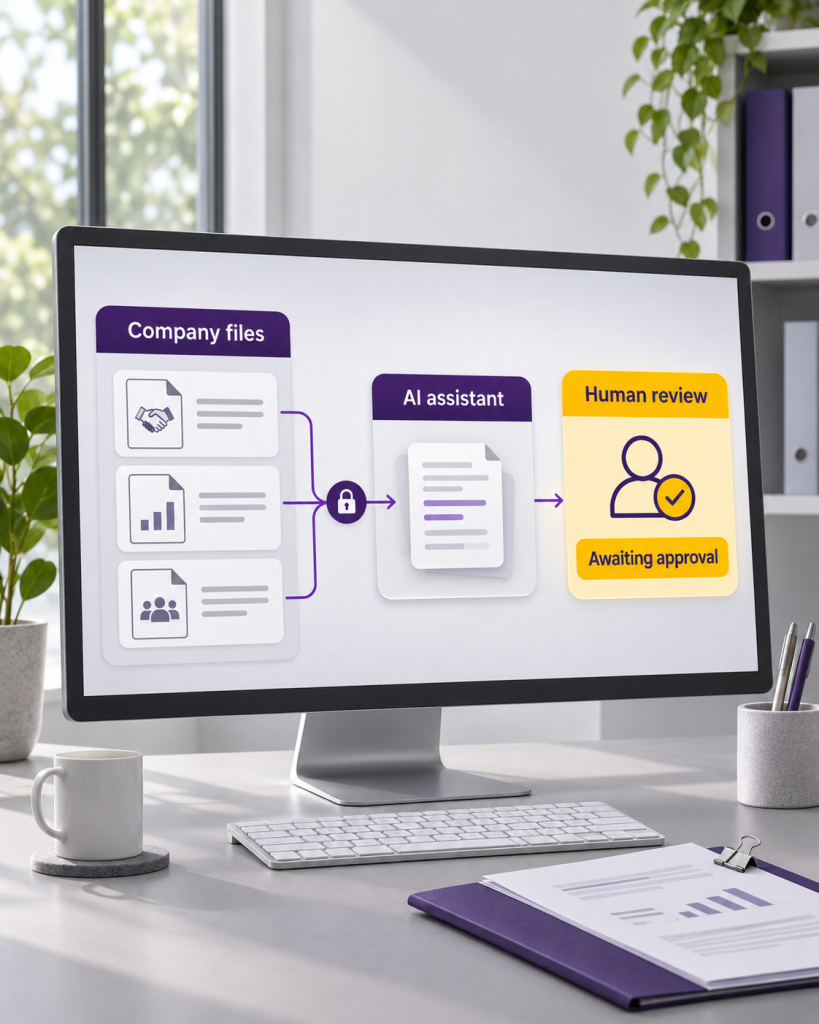
Start with the decisions your business needs to make.
WHERE EXPOSURE BEGINS
AI can help people work faster. But an everyday task can involve information, permissions or decisions that need a closer look.
01 / INFORMATION
02 / ACCESS
03 / ACTIONS
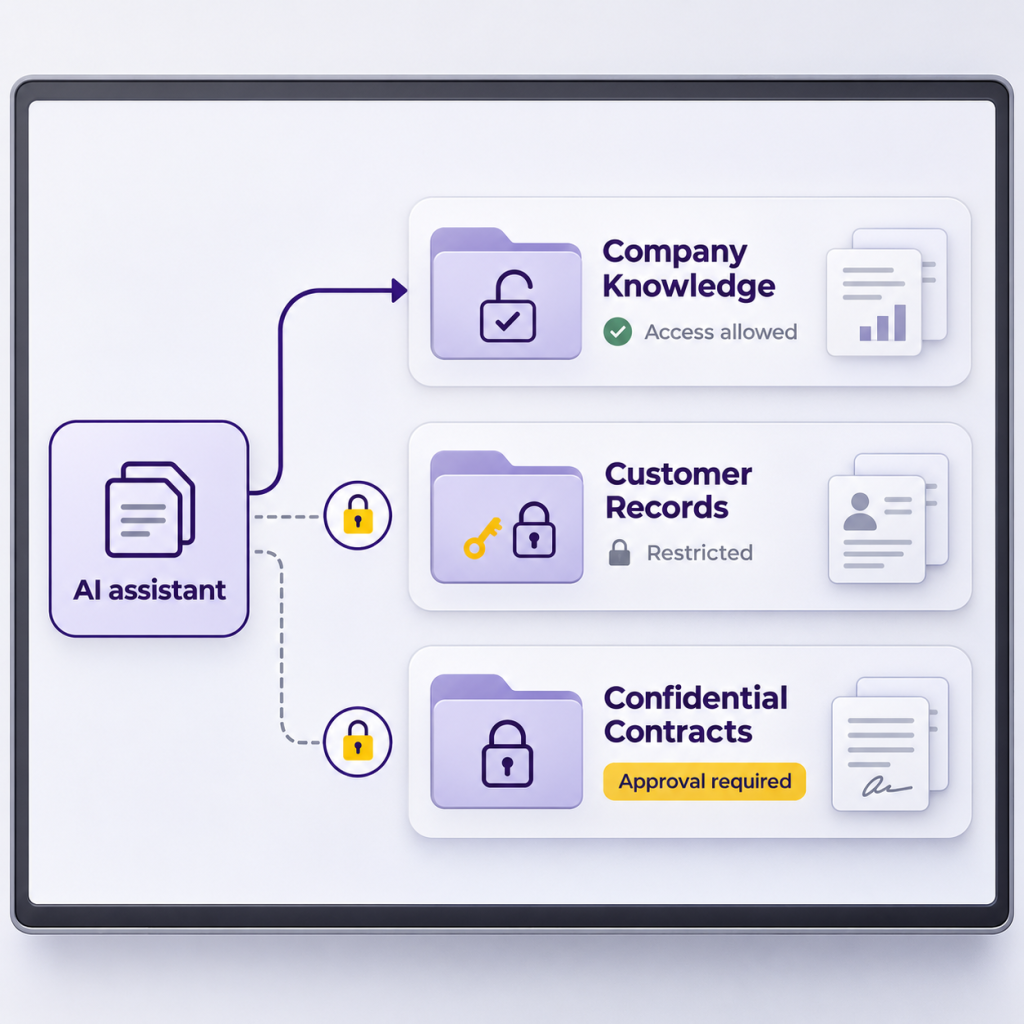
BUSINESS IMPACT
BEYOND THE LICENCE
An enterprise licence is one part of the picture. Your business still needs to decide how the tool can be used.
Who can use it?
What data can it use?
What can it do?
Who checks its work?
Who approves changes?
Who can stop it?
HOW DEMETER HELPS
We work with your IT, business and relevant risk teams to turn these questions into practical policies, decisions and records.
01
02
03
04
05
An AI governance framework · Draft policies · Roles and approval process · Risk assessment toolkit · Completed case examples · Implementation roadmap
The final deliverables and number of cases are agreed in your scope of work.
VALUE FOR THE BUSINESS
Give teams a practical way to move forward with AI—and make the responsibility clear.
IT should not have to start from scratch every time a team asks to use AI.
OUR APPROACH
We combine document review, focused discussions and workshops with the people responsible for your AI use cases.
STEP 01
STEP 02
STEP 03
STEP 04
DEMETER advises and develops the agreed governance materials with your team. Your organization approves policies, accepts risks and implements and operates the controls.
QUESTIONS BEFORE YOU START
You do not need a complete AI programme before having the conversation.
AI governance is how a business decides which AI uses are acceptable, what data and access are allowed, who approves them and who is accountable when something goes wrong.
You can start by agreeing on approved tools, data rules and ownership before your first rollout. The level of review should match the risk of each use case.
An enterprise licence is one part of the picture. Your business still needs to decide how the tool may be used, what information it can access and when people must review its work.
The engagement covers the use cases agreed in the scope of work. We use them to develop and walk through your assessment approach. Your team then applies that approach to additional use cases.
The advisory focuses on governance design, practical documents and agreed case walkthroughs. Technical implementation, ongoing monitoring, testing execution and certification require a separately agreed scope.
LET’S TALK
We can discuss where to start, which teams to involve and what an advisory engagement should cover.
Start with your tools, planned uses and the questions your team is trying to answer.